
Banking
TD Bank Turns to Akoya to Power Secure Open Banking API Access
TD Bank U.S. will route app and aggregator connections through Akoya's Open Finance Solution, with onboarding starting in the fourth quarter.
October 24, 2026
TD Bank U.S. will route app and aggregator connections through Akoya's Open Finance Solution, with onboarding starting in the fourth quarter.
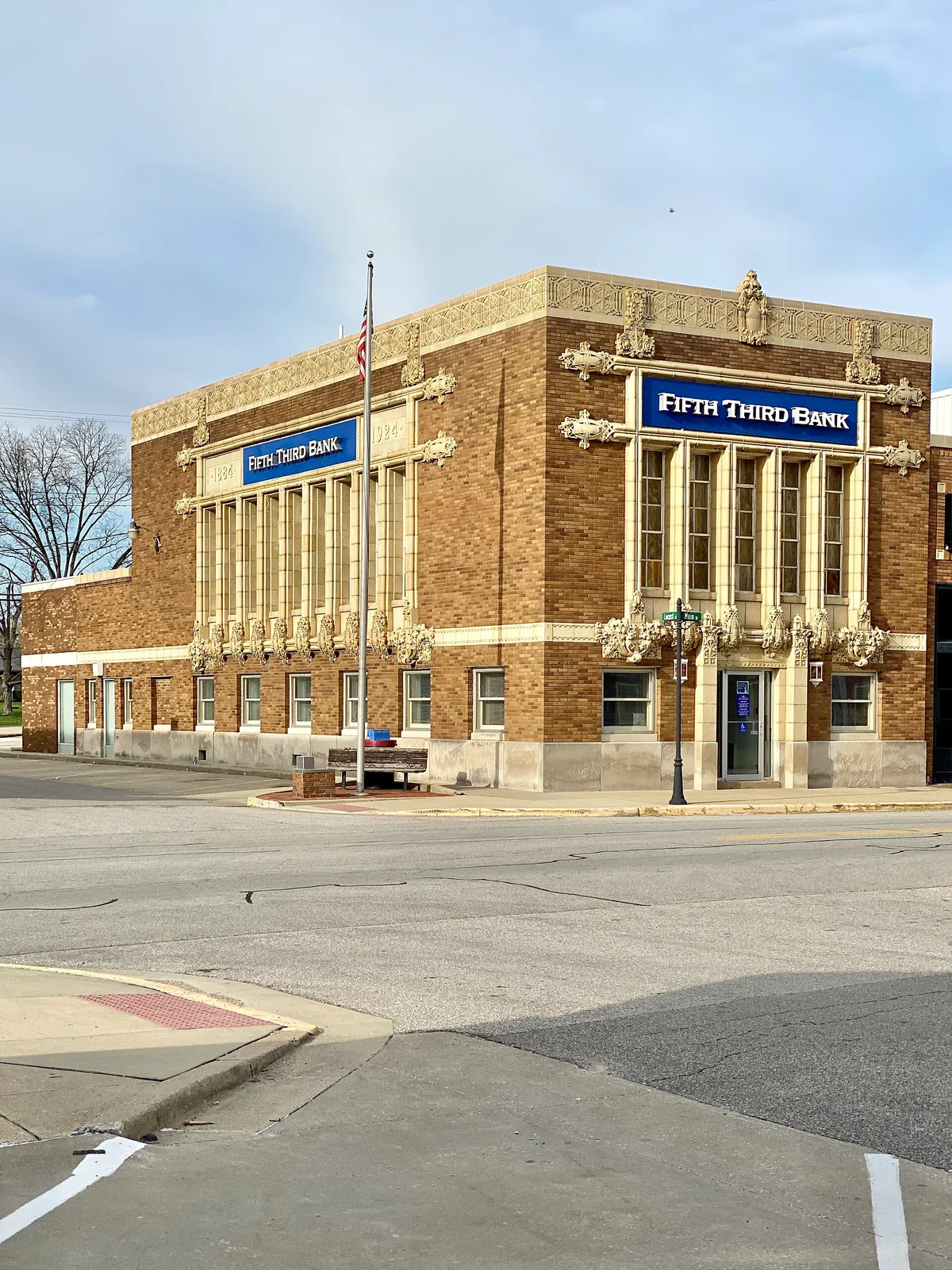
When the last teller window in town stays open, the reason is rarely the branch's own economics — it is everything the branch quietly carries.
Acquisition spend, compliance overhead and per-account servicing costs decide whether a challenger bank reaches breakeven or keeps raising money.

A wrong charge is not the end of the story. How chargebacks work, the rights behind them, and the steps that give your dispute its best chance.

Cards and wallet apps are layers of the same system, not rivals. How each works, where each shines, and how to pick the right one at the counter.
A payments hub gives merchants one integration and many payment providers. This guide explains the architecture layer by layer, from gateway to settlement.
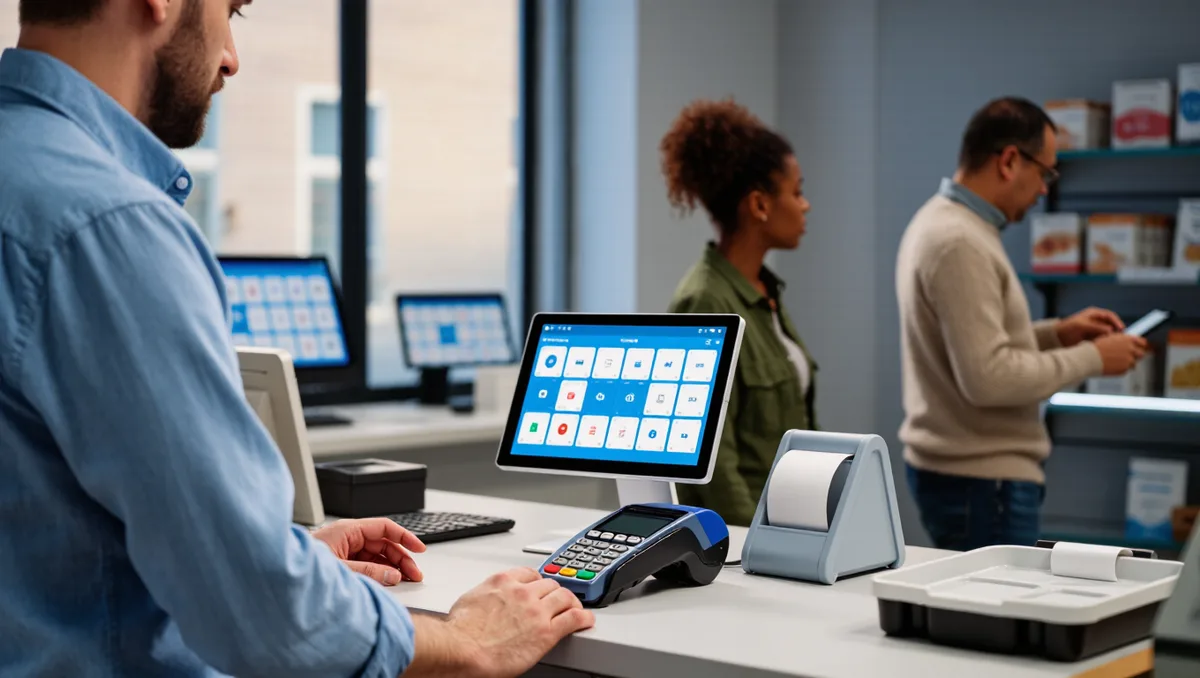
A step-by-step guide to opening a first bank account, including what banks check, what second-chance options exist, and what to do if you have been declined…
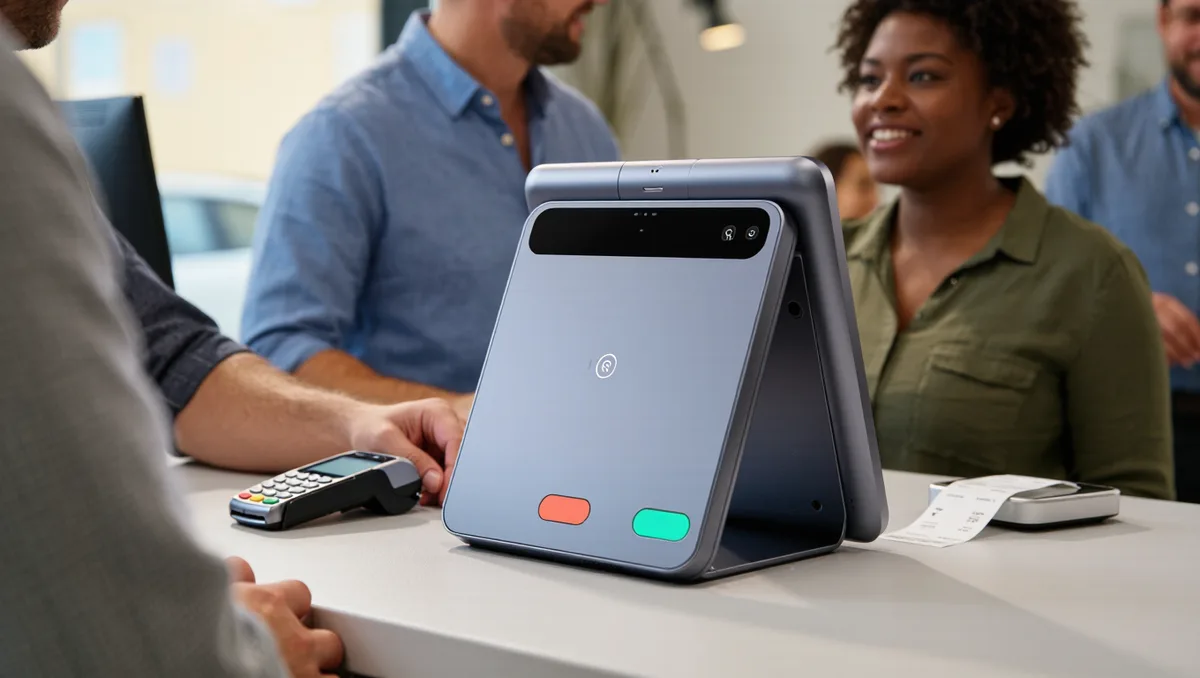
Pennsylvania's largest digital-first credit union says a multi-year rebuild of its member experience will start with joint planning now underway.
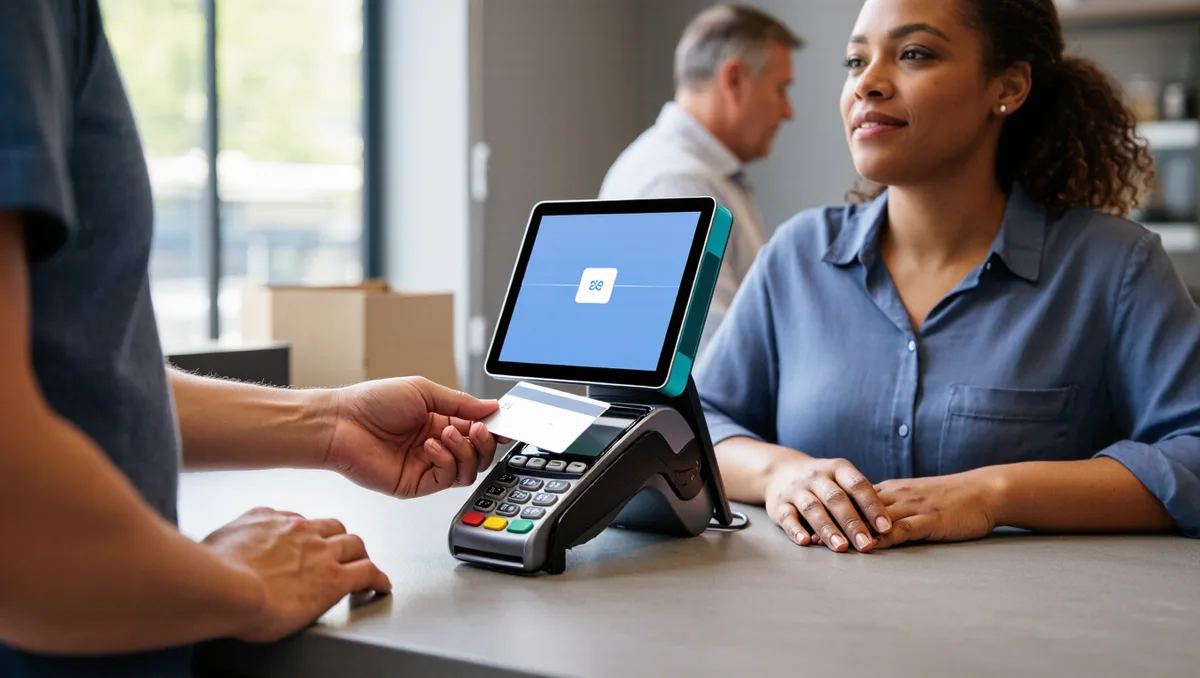
Programmable payments attach rules to money, and tokenized deposits give those rules something safe to move. Here is how the two layers fit together.
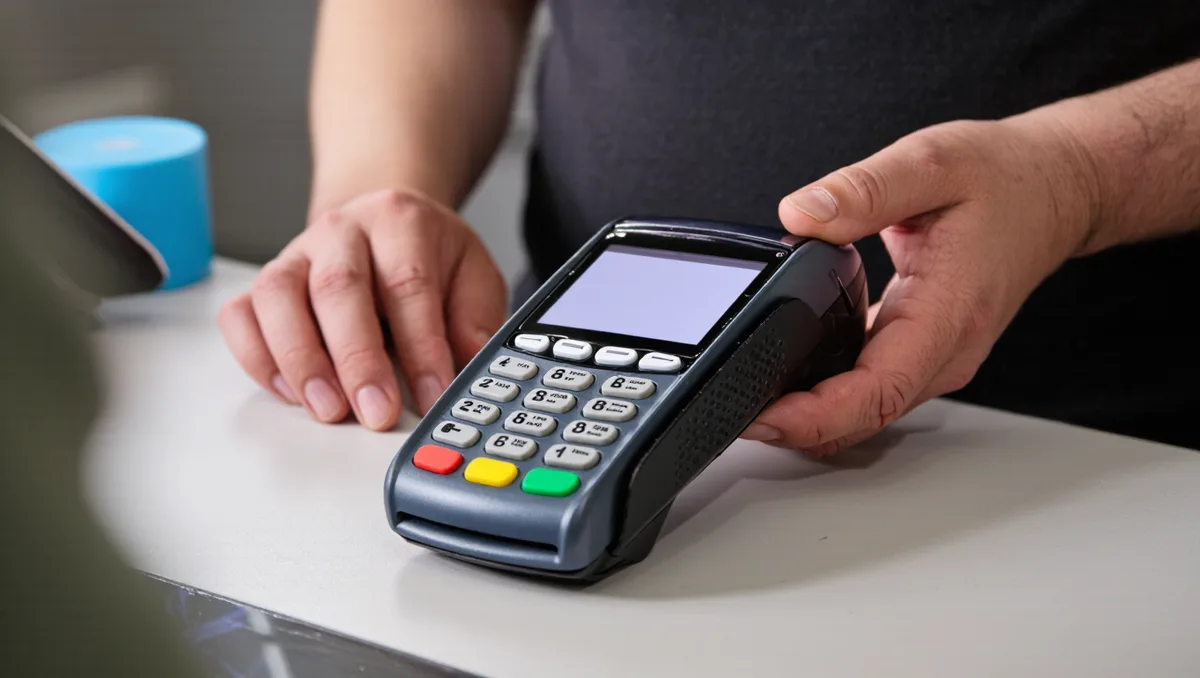
Implementation, measured impact and evidence usually outrank novelty, which is why polished pitches with no traction lose to quieter products that work.
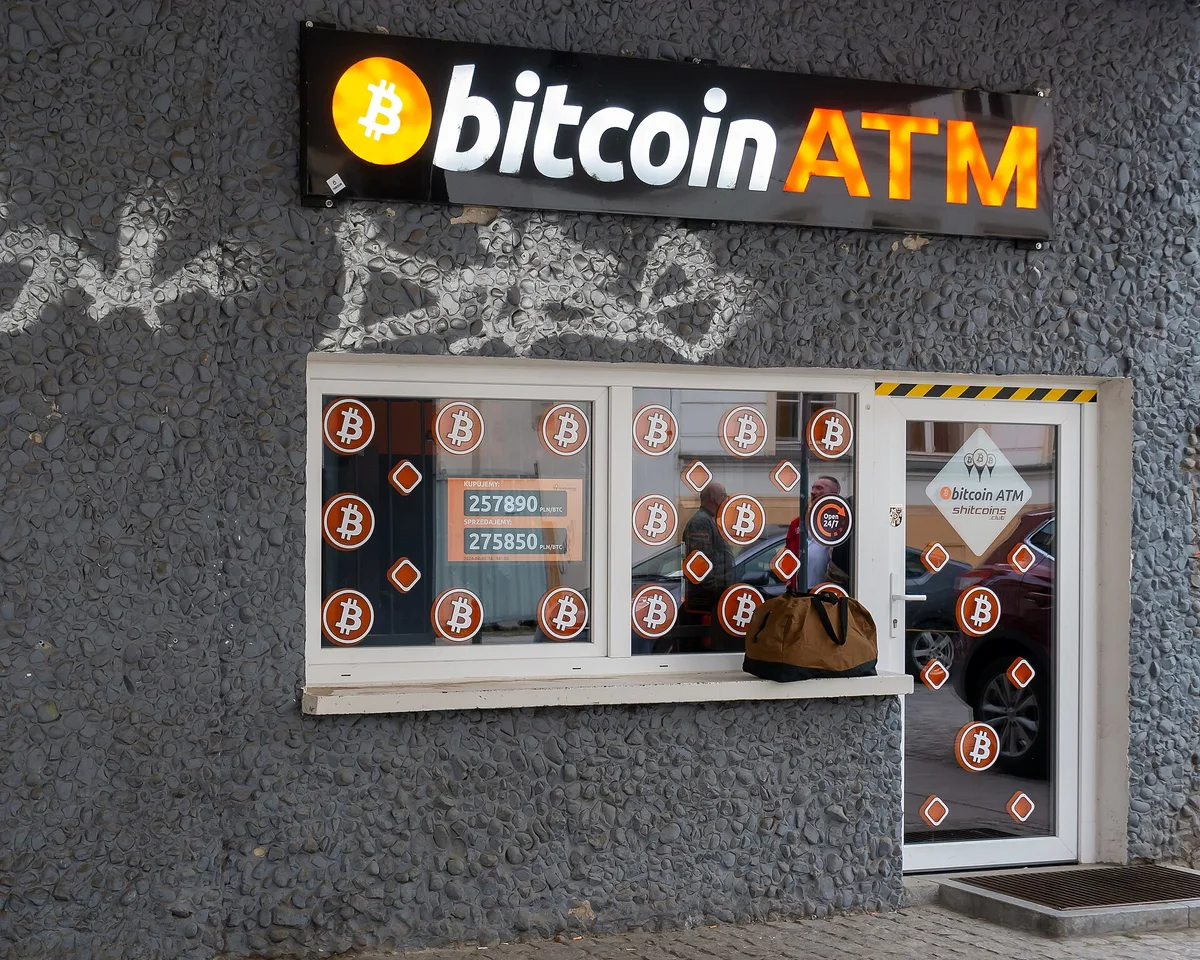
A technical analyst puts a $82,900–$83,000 support zone at the center of the October outlook; the levels are sourced, but the method deserves a second look.

A chargeback reverses a card sale at the issuer's hand before the merchant hears about it, and the merchant's only recourse is evidence, not argument.
A working method for separating what a market story proves from what its headline implies.
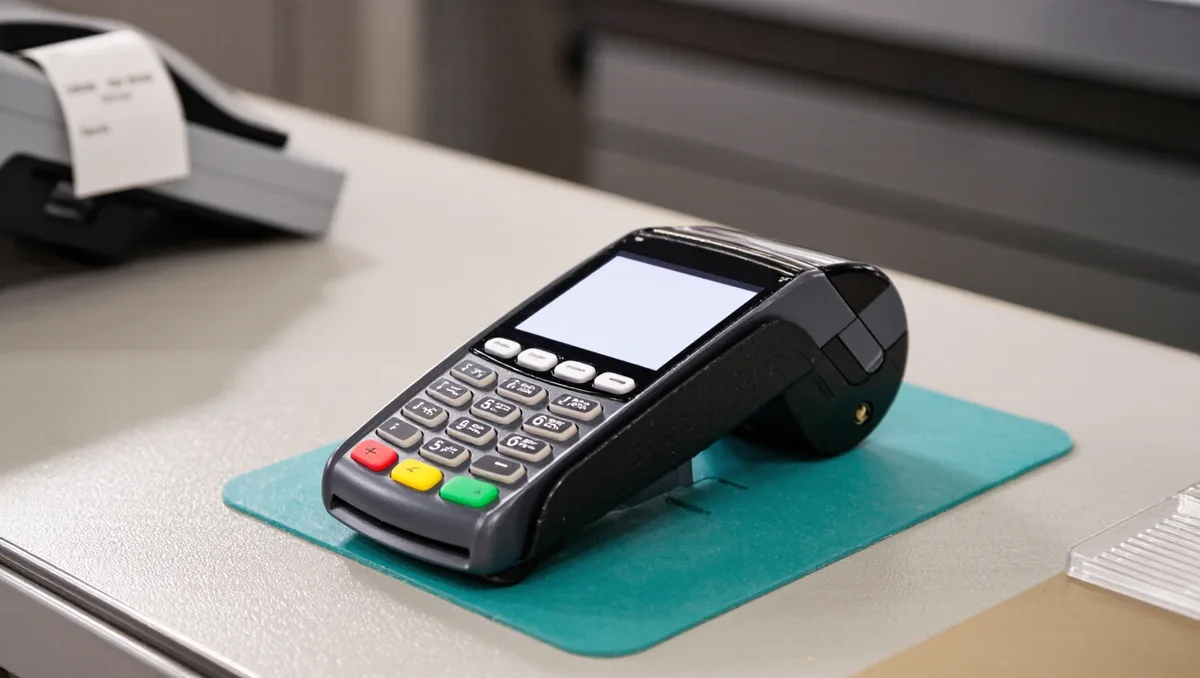
The acquiring bank routes the authorization, absorbs the merchant's risk, batches the day's sales, and funds the merchant's account — usually minus fees.

Interchange is the fee a merchant's bank pays the cardholder's bank on every card transaction, and it is set by the networks, not negotiated by the store on the…
Regulation II has bound large-bank debit interchange to 21 cents plus 5 basis points of transaction value since October 2011, with a fraud-prevention add-on and…

The Fed has held its range at 3.50%-3.75% since December 2025, yet the 30-year fixed rose from 6.16% to 6.53% by late May 2026 - because mortgage pricing runs…

Chime, which went public in June 2025, holds customer deposits at partner banks including The Bancorp Bank and Stride Bank — the standard model for unchartered…